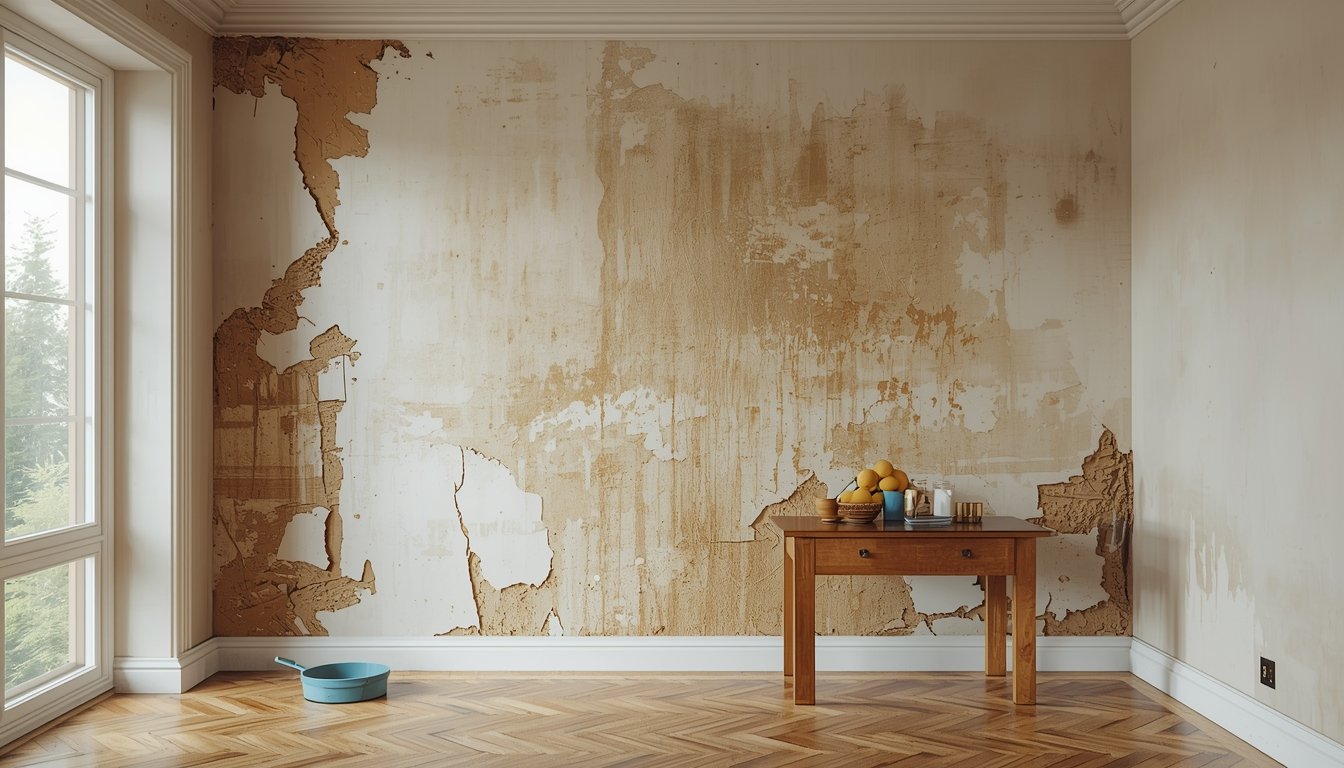
Yes, a small leak can cause structural damage over time if it is left untreated. Even a slow drip can gradually weaken materials like wood, drywall, and flooring, leading to rot, mold growth, and costly repairs.
How a Small Leak Leads to Structural Damage
Small leaks often seem harmless at first, especially if they don’t create immediate visible damage. However, the problem with slow leaks is that they allow moisture to build up over time in hidden areas.
When water continuously seeps into materials like wood or drywall, it weakens their structure. Wood can begin to rot, lose strength, and eventually warp or collapse. Drywall can soften, swell, and break apart as it absorbs moisture.
The damage is usually gradual, which makes it harder to notice early. By the time visible signs appear, such as sagging ceilings or cracked surfaces, the underlying structure may already be compromised.
Moisture trapped in walls, floors, or ceilings also creates the perfect environment for mold growth. This not only affects structural integrity but can also spread to surrounding materials, increasing the extent of the damage.
Where Small Leaks Cause the Most Damage
The impact of a small leak depends largely on where it occurs. Leaks in hidden or enclosed areas tend to cause more damage because they go unnoticed for longer periods.
Leaks behind walls are particularly problematic. Water can soak insulation, damage framing, and spread across a wide area before becoming visible. Similarly, leaks under floors can weaken subflooring and lead to soft or unstable surfaces.
Common high-risk areas include:
- Inside walls where pipes run unnoticed
- Under floors or within concrete slabs
- Around roof structures and ceiling cavities
- Beneath sinks, toilets, and bathroom fixtures
In these locations, moisture can remain trapped, allowing damage to spread without immediate detection. This is why even a small leak can eventually lead to significant structural issues.
If you suspect a hidden issue, recognising signs of a hidden water leak can help you identify problems before they worsen.
What to Do About a Small Leak Before It Gets Worse
The key to preventing structural damage is acting early. Even if a leak seems minor, it should be addressed as soon as possible.
Start by locating and stopping the source of the leak. Tightening connections, replacing worn seals, or repairing damaged pipes can often resolve the issue quickly if caught early.
Once the leak is fixed, it’s important to dry the affected area thoroughly. Leaving moisture behind can continue to damage materials and encourage mold growth, even after the leak has stopped.
Avoid ignoring the problem or delaying repairs. What starts as a small drip can eventually lead to major repairs involving structural components, flooring, or walls.
By addressing leaks early and monitoring for signs of moisture, you can prevent minor issues from turning into significant structural damage.
Early detection is key, which is why many people install home water leak detectors.