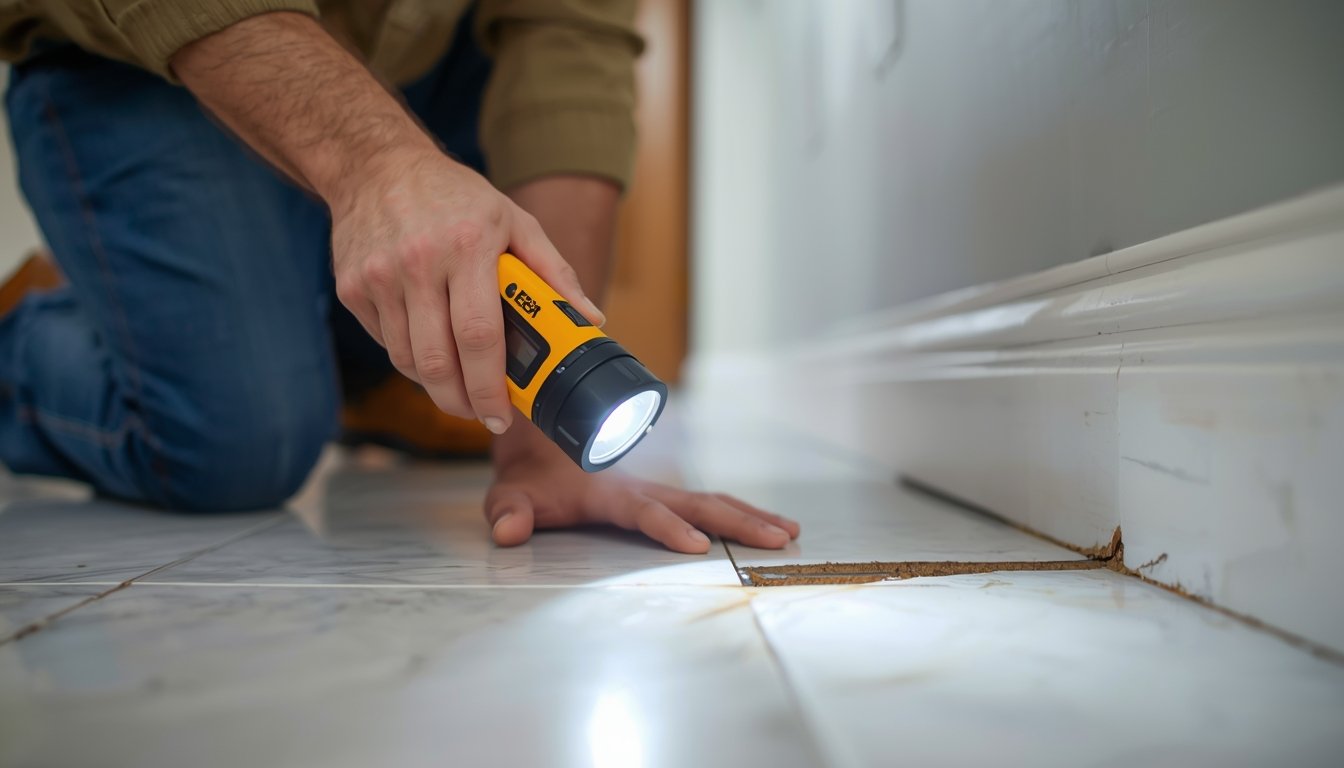
Finding a hidden water leak usually means looking for small signs before visible damage becomes severe. In many homes, leaks develop behind walls, under flooring, above ceilings, or beneath concrete slabs, where they are easy to miss at first. The best approach is to combine simple observation with targeted checks so you can narrow down the source without guessing.
This guide explains the most effective ways to find hidden water leaks step by step, including what to check first, which areas deserve the closest attention, and when a more advanced method may be needed.
Why Hidden Water Leaks Are Hard to Find
Hidden leaks are difficult to detect because the water often travels away from the original source before it becomes visible. A common issue is assuming the problem is directly under the stain, damp patch, or mold growth. In reality, water can move through framing, insulation, and flooring before showing up somewhere else.
In many homes, the leak itself starts small. This means the early clues are often subtle, such as a musty smell, a small patch of dampness, or a slight increase in the water bill.
What Usually Causes a Hidden Leak
Hidden leaks often come from plumbing connections, worn seals, damaged supply lines, or cracks in pipes. They may also come from shower enclosures, toilets, sink drains, or underground pipework.
- Loose or worn plumbing fittings
- Corroded or aging pipe sections
- Failed seals around fixtures
- Shower and toilet leaks that spread slowly
- Underground or slab leaks that are not visible indoors
A common issue is that water damage may appear long after the leak begins. That is why it helps to identify likely causes before focusing on one spot.
Step 1: Check for the Most Common Warning Signs
The first step is to look for broad signs that suggest a leak is present somewhere in the home.
- Water stains on ceilings or walls
- Damp flooring or soft spots underfoot
- Mold growth in unusual areas
- Peeling paint or bubbling wall surfaces
- A sudden unexplained rise in water usage
- The sound of running water when nothing is turned on
If you are still unsure whether the signs point to a leak, see What Are the Signs of a Hidden Water Leak for a more focused breakdown.
Step 2: Use Your Water Meter to Confirm There Is a Leak
One of the best ways to confirm a hidden leak is to check the water meter.
Turn off all taps, appliances, and fixtures that use water. Then check the meter and wait a short period without using any water in the home. If the reading changes, there may be a hidden leak somewhere in the system.
In many homes, this step helps separate a real leak from normal condensation or an isolated spill.
Step 3: Narrow the Leak to a Specific Area
Once you suspect a leak is present, the next step is to narrow it down by location. Start with the areas where leaks are most common.
- Bathrooms
- Kitchens
- Laundry areas
- Around toilets
- Under sinks and inside cabinets
- Ceilings below upstairs bathrooms
A common issue is jumping straight to major conclusions, such as assuming the leak is underground, when the real source is a simple fixture or fitting nearby.
Step 4: Check High-Risk Fixtures and Surfaces
Some fixtures create repeated leak patterns that are easier to inspect than hidden pipe runs.
For example, if there is moisture under a vanity or inside a cabinet, the leak may come from supply lines, shutoff valves, or drain fittings. If the problem is in a bathroom, inspect around the shower, toilet base, and sink waste connections first.
If the suspected problem is inside a wall cavity, see How to Tell if There Is a Leak Behind a Wall for more specific signs.
Step 5: Use Detection Tools Where They Make Sense
Basic tools can help confirm moisture and reduce guesswork. In many homes, you do not need specialized commercial equipment to begin narrowing down a leak.
- Moisture meters to check damp walls, floors, and ceilings
- Water leak detectors to alert you to water presence
- Thermal imaging cameras to identify temperature differences caused by moisture
- Listening devices for certain underground or concealed pipe leaks
Different tools solve different parts of the problem. A moisture meter may confirm dampness, while a leak detector may help monitor a vulnerable area for active water presence.
For a practical explanation of device use, see How to Use a Water Leak Detector to Find Hidden Leaks.
Step 6: Compare Surface Clues With Plumbing Layout
One of the best ways to find a hidden leak is to match the visible symptoms with the plumbing layout of the home.
For example, if a ceiling stain appears below an upstairs bathroom, focus on the shower, toilet, and nearby supply lines above it. If a floor feels damp in one spot, consider what pipes or fixtures run through that area.
In many homes, the plumbing layout gives the strongest clue about where to inspect next.
Step 7: Watch for Signs of a More Serious Leak
Some leaks are minor and slow, but others require urgent attention. Hidden leaks become more serious when they affect structural materials, electrical areas, or large sections of the plumbing system.
- Rapidly spreading stains
- Sagging ceiling sections
- Sudden pressure loss
- Persistent sounds of flowing water
- Strong mold or mildew odor
- Warm spots or dampness over slab areas
If these signs appear, the safest step may be to stop guessing and arrange a professional inspection.
Common Mistakes When Looking for Hidden Leaks
A common issue is assuming that all leaks show obvious damage early. Many people also focus on one sign alone, such as mold or a stain, without checking the wider pattern.
- Ignoring small stains because they seem minor
- Assuming the visible damage is directly below the leak
- Skipping the water meter check
- Using only one method instead of combining several checks
- Waiting too long once damage becomes visible
In many homes, successful leak detection comes from combining visual clues, water usage patterns, and targeted inspection rather than relying on a single symptom.
What Matters Most When Finding Hidden Leaks
The best way to find a hidden water leak is to work from broad signs toward specific locations. Start by confirming whether a leak is likely, then narrow it down using the water meter, high-risk fixture checks, and moisture detection methods.
In many homes, the most effective approach is not high-tech at first. It is careful observation, checking likely areas, and understanding how water travels. Once you identify the likely zone, detection becomes much easier and more accurate.