You can check for a shower leak by looking for visible signs of moisture, testing how water behaves during use, and inspecting seals and connections around the shower area. Leaks often show up as damp spots, loose tiles, or water escaping outside the shower enclosure.
Common Signs That a Shower Is Leaking
Shower leaks usually develop gradually, so the first step is identifying the early warning signs before the damage spreads.
One of the most common signs is water appearing outside the shower area after use. This could mean water is escaping through gaps in seals, cracked grout, or faulty door seals. You may also notice damp flooring or soft spots just outside the shower.
Inside the shower, loose tiles, cracked grout lines, or peeling sealant can indicate that water is getting behind the surface. Over time, this moisture can build up and affect surrounding walls or floors.
Other signs to watch for include:
- A musty smell coming from the bathroom
- Mold or mildew forming around shower edges or corners
- Water stains on nearby walls or ceilings below
- Damp patches appearing outside the shower area
These signs often suggest that water is escaping during use and not being properly contained within the shower enclosure.
How to Test Your Shower for Leaks
To confirm a leak, you can run a few simple tests that help identify where water is escaping.
Start by drying the entire shower area and surrounding floor. Then run the shower normally and observe where water appears. Pay close attention to corners, edges, and the base of the shower.
If no leak is visible during normal use, try testing specific areas. For example, pour water along grout lines or around the shower base to see if it seeps through. This can help identify small gaps or cracks that may not be obvious at first.
You should also check the shower fittings. Inspect the showerhead, taps, and connections for drips or leaks while the water is running. Even a small leak from a fitting can contribute to moisture buildup over time.
If the source is unclear, it may be part of a broader issue. Looking at signs of a hidden water leak can help determine if moisture is spreading beyond the shower area.
What to Do if You Find a Shower Leak
Once a leak is identified, the priority is to fix the source before it causes further damage.
For minor issues, resealing grout lines or replacing worn silicone around the shower edges can often resolve the problem. These areas are common points where water escapes, especially as materials age or shift.
If the leak is coming from fittings or connections, tightening or replacing components may stop the issue. However, if water is getting behind tiles or into walls, the problem may be more serious and require deeper repairs.
Avoid continuing to use the shower without addressing the leak. Ongoing exposure to water can damage wall structures, flooring, and insulation, leading to more complex repairs.
Taking action early helps prevent long-term damage and ensures the shower remains properly sealed and functional.
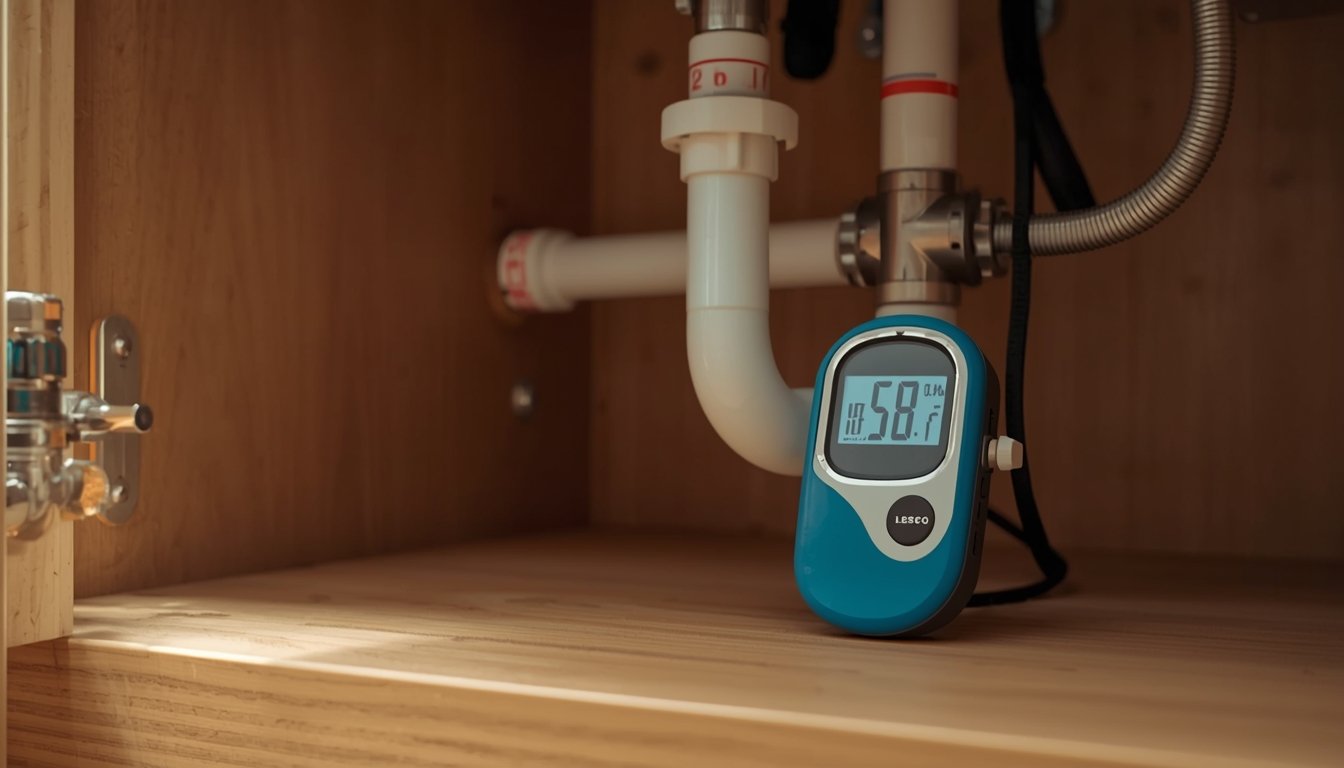
You can also use simple leak detectors to monitor problem areas over time.