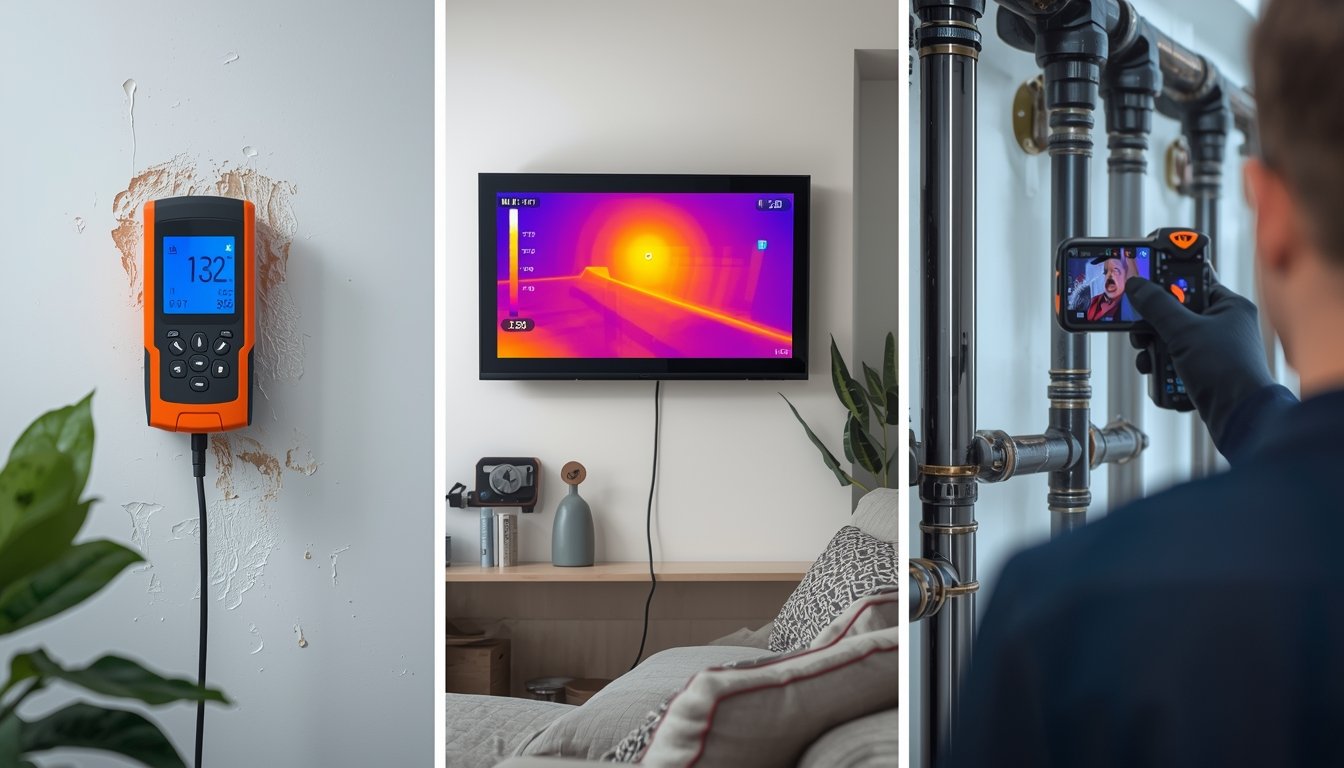
Deciding whether to use a water leak detector or call a professional depends on the type of leak, how severe the problem is, and how easily the source can be accessed. In many homes, simple leaks can be identified using basic tools and observation, while more complex or hidden issues may require professional inspection.
The best approach is to understand what each option can realistically do, and when one is more appropriate than the other.
What This Decision Involves
Water leak detection can range from simple checks, such as inspecting visible plumbing, to more advanced methods used to locate hidden or underground leaks. A common issue is assuming that either a device or a professional can solve every situation on its own.
In reality, each approach serves a different purpose. Water leak detectors are useful for identifying the presence of water or monitoring specific areas, while professionals use specialized techniques to locate the exact source of a leak.
Common Situations Where Leaks Occur
Leaks can develop in many parts of a home, and the location often determines the best way to detect them.
- Under sinks and inside cabinets
- Behind walls and ceilings
- Around toilets, showers, and fixtures
- Under floors or concrete slabs
- In underground or external pipe systems
In many homes, smaller leaks begin in accessible areas, while more serious issues develop in concealed or difficult-to-reach locations.
When a Water Leak Detector Is Enough
Water leak detectors are most useful for identifying the presence of water in areas where leaks are likely to occur. They can help confirm a problem early or monitor a location over time.
In many homes, detectors are suitable when:
- You suspect a minor or early-stage leak
- The area is accessible, such as under a sink or near an appliance
- You want to monitor for leaks in high-risk areas
- You are trying to confirm whether water is present
These devices can provide early warning and help reduce damage by alerting you to moisture before it spreads.
If you want to understand how to use these tools effectively, see How to Use a Water Leak Detector to Find Hidden Leaks.
When You May Need a Professional
Some leaks are more complex and cannot be easily located using basic methods or devices. In these cases, a professional inspection may be necessary.
In many homes, professional help is needed when:
- The source of the leak cannot be identified
- The leak is suspected behind walls or under floors
- There are signs of structural damage
- The leak may be underground or within a slab
- Water pressure has dropped significantly
Professionals often use advanced detection methods to locate leaks without causing unnecessary damage to the home.
If you are unsure whether a situation requires expert help, see When Should You Call a Professional for Leak Detection.
Comparing the Two Approaches
Water leak detectors and professional services are not direct replacements for each other. Instead, they serve different roles in the detection process.
- Detectors help identify the presence of water
- Professionals locate the exact source of a leak
- Detectors are useful for monitoring and prevention
- Professionals are needed for complex or hidden problems
A common issue is expecting a detector to pinpoint the exact location of a leak, which is not always possible. Similarly, calling a professional for a minor issue may not always be necessary.
How to Decide Which Option to Use
The decision usually comes down to how clear the problem is and how accessible the area is.
- If the leak is visible or suspected in an accessible area, start with basic inspection or a detector
- If the leak is hidden or causing widespread damage, consider professional inspection
- If you are unsure whether a leak exists, begin with simple checks such as monitoring your water meter
In many homes, the most effective approach is to start with simple methods and escalate only if the problem cannot be identified.
For a broader overview of how leaks are detected, see How to Detect a Water Leak in Your Home.
When a Leak Becomes a Serious Issue
Some situations require immediate attention, regardless of whether you use a detector or professional service.
- Rapidly spreading water damage
- Sagging ceilings or structural changes
- Persistent mold growth
- Continuous sound of running water
- Sudden and unexplained water pressure loss
In these cases, delaying action can lead to further damage and higher repair costs.
Common Misunderstandings
A common issue is assuming that a single tool or service will solve every leak problem. Many people also expect leak detectors to identify exact pipe locations, which is not their primary function.
- Believing detectors can locate all leaks precisely
- Assuming professionals are always required for minor issues
- Ignoring early signs of leaks because they seem small
- Delaying action until visible damage appears
In many homes, a combination of awareness, simple tools, and timely decisions leads to better outcomes.
What Matters Most When Choosing Between Them
The most important factor is understanding the nature of the leak. Small, accessible leaks can often be identified with basic tools or observation, while hidden or complex leaks may require professional detection.
In most homes, starting with simple checks and escalating only when necessary provides a practical and effective approach.
Knowing when to use each option helps prevent unnecessary costs while ensuring that serious issues are addressed properly.
Related Guides