ou can find a leak in a bathroom by checking visible fixtures, testing how water behaves during use, and looking for signs of hidden moisture such as damp patches, mold, or unusual smells. Most bathroom leaks come from showers, toilets, sinks, or pipe connections and can often be identified with a step-by-step inspection.
Common Places Bathroom Leaks Occur
Bathroom leaks usually develop in areas where water is used frequently or where seals and connections are under constant stress. Identifying these high-risk areas helps narrow down the source quickly.
Showers are one of the most common sources. Water can escape through cracked grout, worn silicone seals, or gaps around the shower base. Over time, this can allow moisture to seep behind tiles or into surrounding walls and floors.
Toilets are another frequent cause. A failed wax seal or loose base can allow water to leak onto the floor, especially after flushing. Sinks can also develop leaks under the cabinet due to loose fittings or worn pipes.
Other areas to check include:
- Pipe connections behind or below fixtures
- Seals around bathtubs and shower screens
- Water supply lines and shutoff valves
- Floor areas where water may collect unnoticed
By focusing on these common points, you can often identify the source without needing to inspect the entire bathroom.
For ongoing monitoring, consider using budget leak detectors in hidden areas.
Step-by-Step Method to Find the Leak
A structured approach makes it easier to locate the exact source of a bathroom leak.
Start by drying all visible surfaces, including floors, walls, and fixtures. This ensures that any new moisture is easy to spot during testing.
Next, test each fixture individually. Turn on the shower, run the sink, and flush the toilet while watching closely for leaks. Pay attention to areas where water may escape, such as edges, joints, and connections.
If no leak is visible during normal use, try isolating specific areas. For example, run water only in the shower and observe the surrounding floor and walls. Then repeat the process with other fixtures to see if the issue appears under certain conditions.
You should also look for signs such as:
- Damp or soft flooring near fixtures
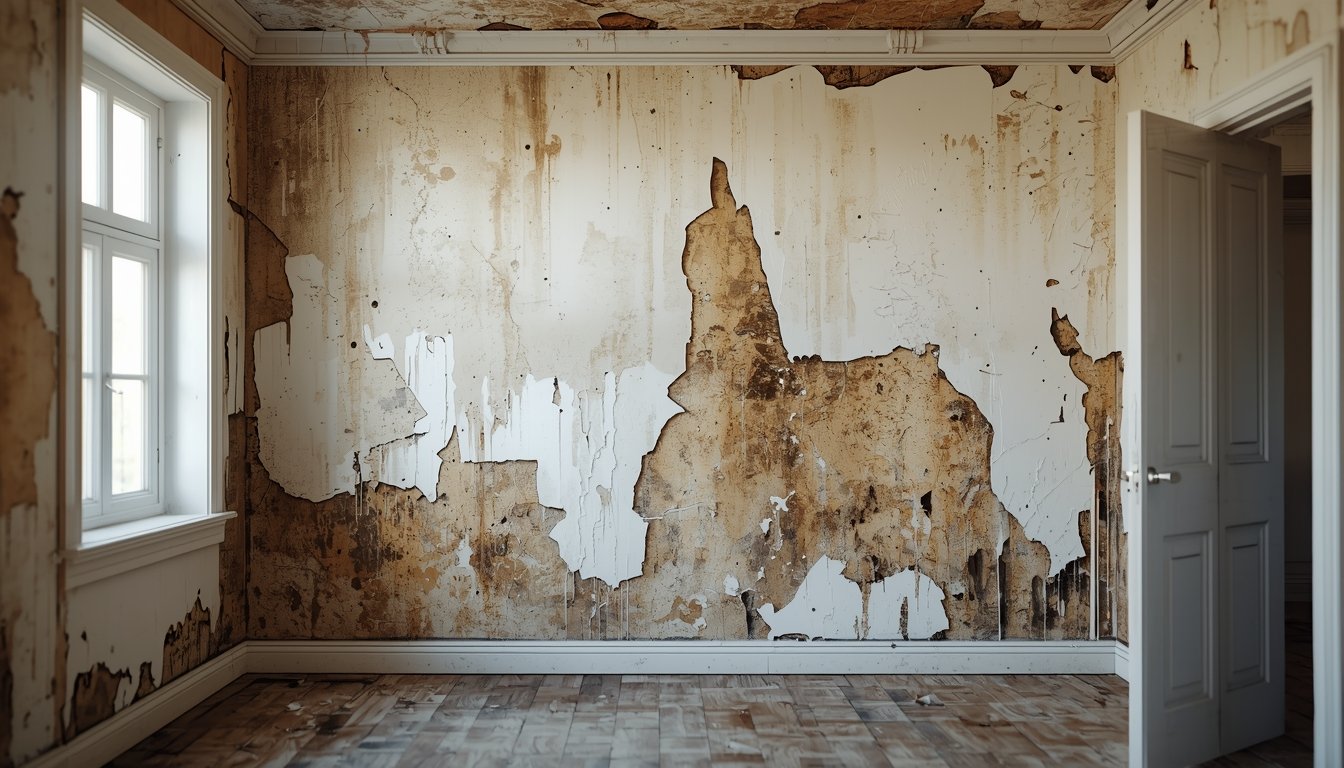
- Water stains on walls or ceilings below
- Mold or mildew forming in corners
- A musty smell that persists over time
If the source remains unclear, reviewing signs of a hidden water leak can help determine whether moisture is coming from inside walls or beneath the floor.
What to Do Once You Find the Leak
After identifying the source, the next step is to stop the leak and prevent further damage.
For minor issues like worn seals or loose fittings, simple repairs such as resealing joints or tightening connections may resolve the problem. These fixes are often quick and can prevent water from spreading further.
If the leak is coming from behind tiles, under the floor, or inside walls, more extensive repairs may be needed. In these cases, it’s important to confirm the exact location before opening surfaces to avoid unnecessary damage.
Avoid delaying repairs, even if the leak seems small. Bathroom leaks can quickly lead to mold growth, structural damage, and costly restoration work if left untreated.
Once the issue is fixed, ensure the area is thoroughly dried. This helps prevent lingering moisture from causing additional problems.