Mold grows on walls when moisture is present for an extended period, usually due to leaks, condensation, or poor ventilation. It often appears as dark spots or patches and indicates that water is getting into the wall or staying trapped on the surface.
Common Causes of Mold Growing on Walls
Mold needs moisture to grow, so when it appears on walls, it almost always means there is a water-related issue somewhere nearby. One of the most common causes is a hidden leak behind the wall, where moisture builds up without being immediately visible.
Bathrooms and kitchens are especially prone to mold because of higher humidity levels. Steam from showers or cooking can settle on walls if ventilation is poor, creating a damp environment that allows mold to develop over time.
Other common causes include:
- Leaking pipes inside walls or ceilings
- Condensation from high indoor humidity
- Water intrusion from outside due to damaged roofing or walls
- Poor ventilation in enclosed or humid spaces
In many cases, mold starts small and spreads gradually. By the time it becomes visible, moisture has often been present for some time, which is why it’s important to investigate the underlying cause rather than just cleaning the surface.
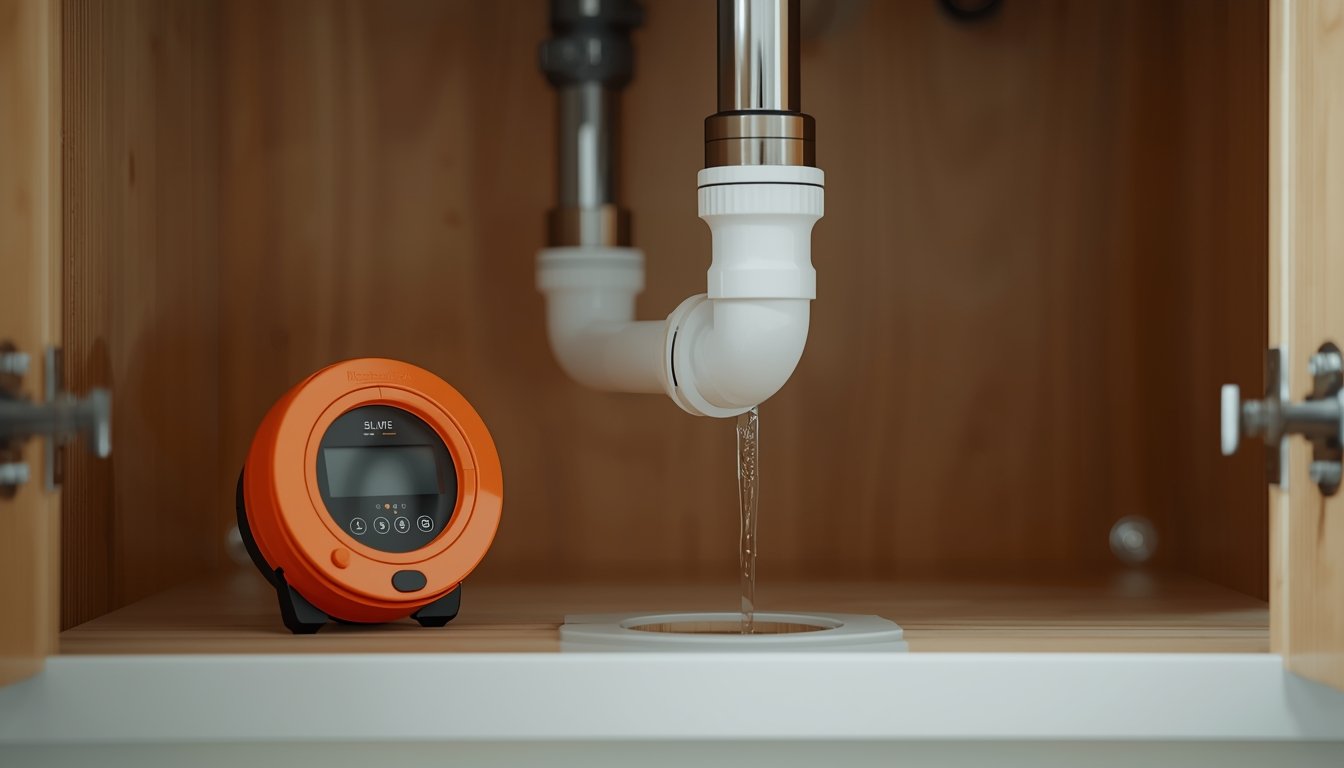
Persistent moisture problems can be tracked using water leak detectors placed nearby.
How to Tell if Mold Is Caused by a Leak or Moisture Buildup
To address mold properly, you need to determine whether it’s being caused by a hidden leak or general humidity.
If the mold appears in a specific, concentrated area and continues to grow despite cleaning, it may indicate a leak behind the wall. You might also notice other signs, such as damp patches, peeling paint, or a musty smell that doesn’t go away.
On the other hand, if mold is spread across a larger surface or appears in corners and poorly ventilated areas, it is more likely caused by condensation and excess humidity. This is common in bathrooms, especially around ceilings and upper wall areas.
You should also look for supporting signs:
- Damp or soft wall surfaces in the affected area
- Water stains or discoloration nearby
- Mold returning quickly after cleaning
- Changes in the size or shape of the affected area
If you suspect a leak, reviewing broader signs of a hidden water leak can help confirm whether moisture is coming from inside the wall rather than the surface.
What to Do When Mold Appears on Walls
Once mold is visible, the priority is to remove the source of moisture before treating the affected area.
If the cause is a leak, it must be located and repaired first. Cleaning the mold without fixing the leak will only result in it returning. In cases where the source is humidity, improving ventilation and reducing moisture levels can help prevent further growth.
After addressing the cause, the wall should be thoroughly dried. This step is critical because any remaining moisture can allow mold to regrow even after cleaning.
For smaller areas, surface cleaning may be enough to remove visible mold. However, if the damage is extensive or the wall material has been compromised, repairs may be required.
Ignoring mold can lead to further structural damage and ongoing moisture problems. Taking action early ensures the issue is resolved properly and prevents it from spreading to other areas of the home.