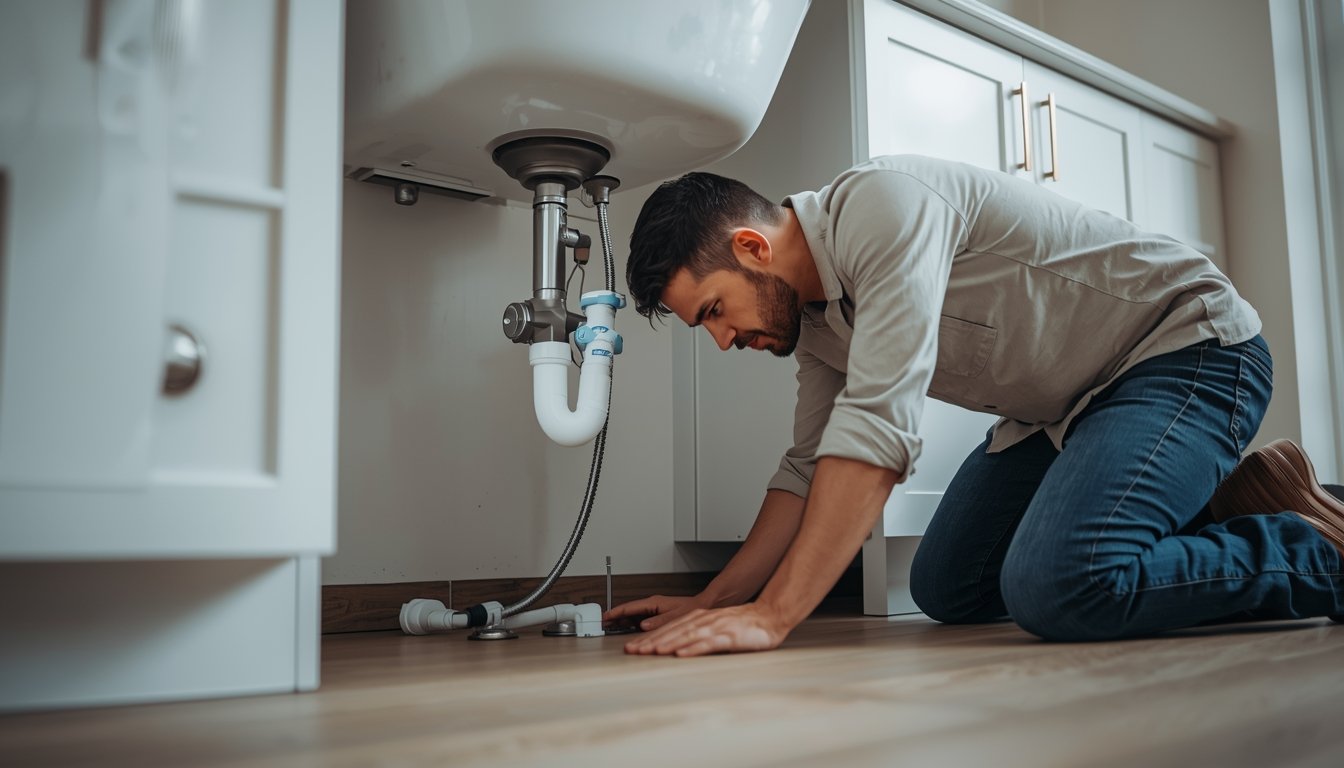
Water leaks are often hidden behind walls, under floors, or inside ceilings, which makes them difficult to detect until visible damage appears. A water leak detector, combined with careful inspection of common warning signs, can help you identify leaks early before they cause serious structural or mold issues.
What Is a Water Leak Detector and How Does It Help
A water leak detector is a device designed to identify moisture where it shouldn’t be. Depending on the type, it may use simple water sensors, moisture detection probes, or more advanced acoustic technology to locate leaks.
Basic detectors are commonly placed under sinks, near washing machines, or around water heaters. These devices trigger an alarm when water is detected, providing early warning before damage spreads.
More advanced tools can help locate hidden leaks inside walls, ceilings, or flooring. These are particularly useful when there are no visible signs but something feels wrong, such as unexplained dampness or a drop in water pressure.
Because many leaks start small and worsen over time, having a reliable way to confirm the presence of moisture can save both time and repair costs.
Common Signs of Hidden Water Leaks in a Home
Even when a leak is not visible, your home often gives off clear warning signs.
- Water stains appearing on ceilings or walls
- Damp or soft spots on flooring
- A musty smell that lingers in certain rooms
- Mold or mildew growth in unusual areas
- An unexpected increase in your water bill
- The sound of water running when nothing is turned on
These signs usually indicate water escaping from pipes, fixtures, or structural areas. In many cases, the leak has already been present for some time before these symptoms become noticeable.
If you begin to notice these issues, it’s important to act early. Understanding the signs of a hidden water leak can help you confirm whether further investigation is needed.
Where Leaks Commonly Occur in the Home
Water leaks tend to develop in predictable areas, especially where plumbing is frequently used or under constant pressure.
Bathrooms are one of the most common sources of leaks. Showers, toilets, and sinks all rely on seals and connections that can wear out over time. Kitchen leaks often occur beneath cabinets, particularly around sink pipes and dishwashers.
Ceilings may show damage when there is a leak from an upper floor, while walls can hide slow leaks from internal plumbing lines. Floors may become damp if water is seeping from below, including slab leaks that develop beneath concrete foundations.
Outdoor areas are also a concern. Underground pipes can leak without obvious signs, sometimes only showing up as damp patches in the yard or unexplained water usage.
Knowing these common locations allows you to narrow down your search and focus your inspection more effectively.
How to Start Finding a Water Leak Step by Step
Finding a leak can often be approached methodically, even without specialised tools.
Start by checking visible areas where water is most likely to appear. Look under sinks, around toilets, and along exposed pipes. Pay close attention to joints and connections where leaks are more likely to develop.
Next, use your senses. Listen for unusual sounds such as dripping or running water behind walls. Smell for damp or musty odours, which often indicate trapped moisture.
If nothing obvious appears, begin narrowing down the location. For example, if the issue seems to be in a bathroom, it helps to follow a focused process to find a leak in a bathroom rather than searching the entire home.
When visual inspection is not enough, this is where detection tools become useful. They can confirm the presence of moisture and help identify the general area of the leak.
When a Water Leak Detector Becomes Necessary
Not all leaks can be found through visual inspection alone. Some remain hidden until significant damage has already occurred.
A water leak detector becomes especially useful in situations where:
- You suspect a leak but cannot see the source
- Water damage is appearing without a clear explanation
- You want early warning in high-risk areas of the home
- You are monitoring a recurring or intermittent issue
These devices help remove guesswork. Instead of opening walls or lifting flooring unnecessarily, you can confirm whether moisture is present before taking further action.
In cases involving hidden plumbing or underground pipes, detection tools are often the only practical way to locate the problem without invasive repairs.
Understanding the Difference Between Small and Serious Leaks
Not all leaks pose the same level of risk, but even small ones should not be ignored.
A slow drip under a sink may seem minor, but over time it can cause wood to swell, cabinets to deteriorate, and mold to develop. Hidden leaks inside walls can quietly damage insulation, framing, and drywall without immediate signs.
More serious leaks, such as slab leaks or burst pipes, can lead to structural damage, flooring issues, and significant repair costs if not addressed quickly.
The key is early detection. Identifying a leak when it first starts allows you to fix the issue before it escalates into something more complex and expensive.
If you want tools that can help identify leaks early, see our guide to best water leak detectors for home use.
Preventing Water Leaks Before They Start
Prevention is one of the most effective ways to protect your home from water damage.
Regularly inspecting plumbing fixtures and checking for early signs of wear can help catch problems before they develop into leaks. Tightening loose connections and replacing worn seals are simple steps that can make a big difference.
Monitoring water pressure is also important. Excessively high pressure can strain pipes and increase the likelihood of leaks over time.
Installing water leak detectors in key areas adds another layer of protection. Placing sensors under sinks, near appliances, or in basements allows you to detect problems early, even when you are not actively checking those areas.
A proactive approach reduces the risk of unexpected damage and helps maintain the integrity of your home.