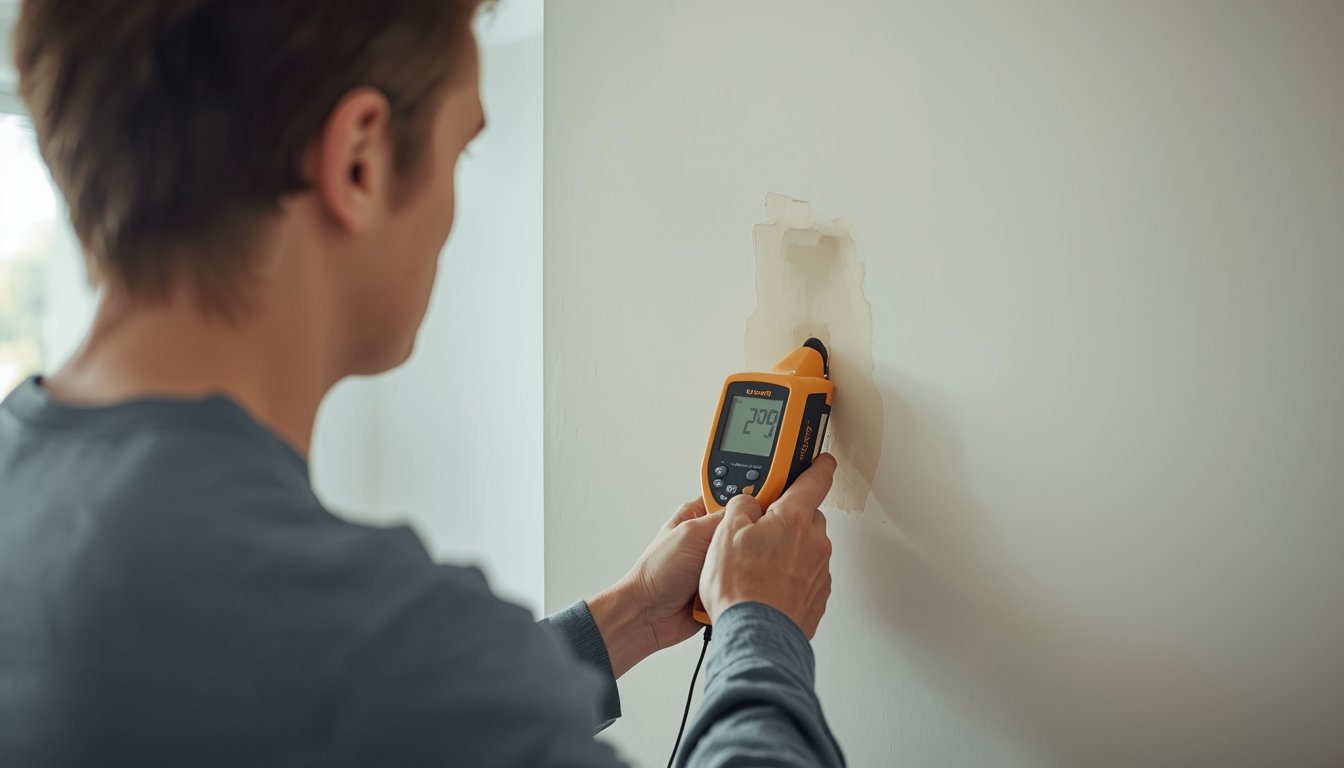
Detecting a water leak early can prevent structural damage, mold growth, and unnecessary increases in your water bill. In many homes, leaks are not immediately visible and may develop behind walls, under floors, or within plumbing systems. Identifying the signs and using the right detection methods can help you locate problems before they become serious.
What Water Leak Detection Involves
Water leak detection is the process of identifying unwanted water escaping from plumbing systems, fixtures, or appliances. Leaks can be obvious, such as visible dripping, or hidden, where water accumulates slowly over time.
A common issue is that hidden leaks often go unnoticed until damage appears. This can include stains, damp surfaces, or unexpected changes in water usage.
If you are unsure what signs to look for, see What Are the Signs of a Hidden Water Leak for a more detailed breakdown.
Main Causes of Water Leaks in Homes
Leaks can develop for several reasons, and understanding these causes can help narrow down where to look.
- Worn or damaged pipe connections
- Corrosion in older plumbing systems
- High water pressure stressing fittings
- Faulty appliance hoses or valves
- Cracks in underground or slab pipes
- Poor installation or aging seals
In many homes, leaks begin as small issues that worsen over time. A slow drip or minor crack can eventually lead to more significant damage if not addressed.
Step-by-Step Methods to Detect a Water Leak
Detecting a leak usually involves a combination of observation, testing, and targeted inspection.
1. Check Your Water Meter
One of the simplest methods is to monitor your water meter. Turn off all water sources in your home and observe the meter reading. If it continues to change, this may indicate a hidden leak.
2. Look for Visible Signs
Common indicators of leaks include:
- Water stains on ceilings or walls
- Damp or soft flooring
- Mold or mildew growth
- Peeling paint or bubbling surfaces
For example, if you notice discoloration overhead, see Why Is There a Water Stain on My Ceiling to understand likely causes.
3. Check High-Risk Areas
Leaks often occur in specific locations, including:
- Under sinks and inside cabinets
- Around toilets and showers
- Near water heaters and appliances
- Basements and crawl spaces
In many homes, under-sink areas are a common starting point for detection due to frequent plumbing connections.
4. Listen for Unusual Sounds
Hearing water running when no fixtures are in use can indicate a hidden leak. This is especially noticeable at night when the home is quiet.
5. Monitor Water Usage
A sudden increase in your water bill without a clear reason can signal a leak. This often points to hidden issues rather than visible ones.
If you notice unexpected changes, see Why Does My Water Bill Suddenly Increase for possible explanations.
Tools and Methods for Detecting Leaks
Different tools can help identify leaks depending on the situation. Some are simple and suitable for homeowners, while others are more advanced.
- Moisture meters for detecting damp areas in walls and floors
- Water leak detectors for identifying the presence of water
- Thermal imaging cameras for spotting temperature differences
- Acoustic listening devices for detecting underground leaks
In most homes, basic tools combined with visual inspection are enough to locate common leaks.
If you are considering using detection devices, see How to Use a Water Leak Detector to Find Hidden Leaks for practical guidance.
When a Water Leak Becomes Serious
Some leaks require immediate attention due to the risk of damage or safety concerns.
- Continuous water flow without a visible source
- Structural damage such as sagging ceilings or warped floors
- Rapid mold growth
- Sudden drops in water pressure
- Leaks suspected under concrete slabs or underground
In these situations, professional inspection may be necessary to prevent further damage.
Common Mistakes When Detecting Leaks
A common issue is overlooking small signs that indicate a developing problem. Many people find that leaks are only investigated once visible damage appears.
- Ignoring minor damp spots or stains
- Assuming higher water bills are due to normal usage
- Relying on a single detection method
- Delaying inspection of suspected problem areas
In many homes, early detection depends on paying attention to small changes rather than waiting for obvious signs.
What Matters Most When Detecting a Leak
Detecting a water leak is usually about combining simple checks with awareness of common problem areas. A common issue is expecting a single method to identify all leaks, when in reality multiple approaches are often needed.
In most homes, the most effective approach is to:
- Monitor water usage regularly
- Inspect high-risk areas periodically
- Respond quickly to unusual signs
- Use detection tools when needed
Early detection reduces the risk of costly repairs and helps maintain the integrity of your home.
Related Guides
- How to Tell if There Is a Leak Behind a Wall
- How to Find a Leak in a Bathroom
- Can a Small Leak Cause Structural Damage