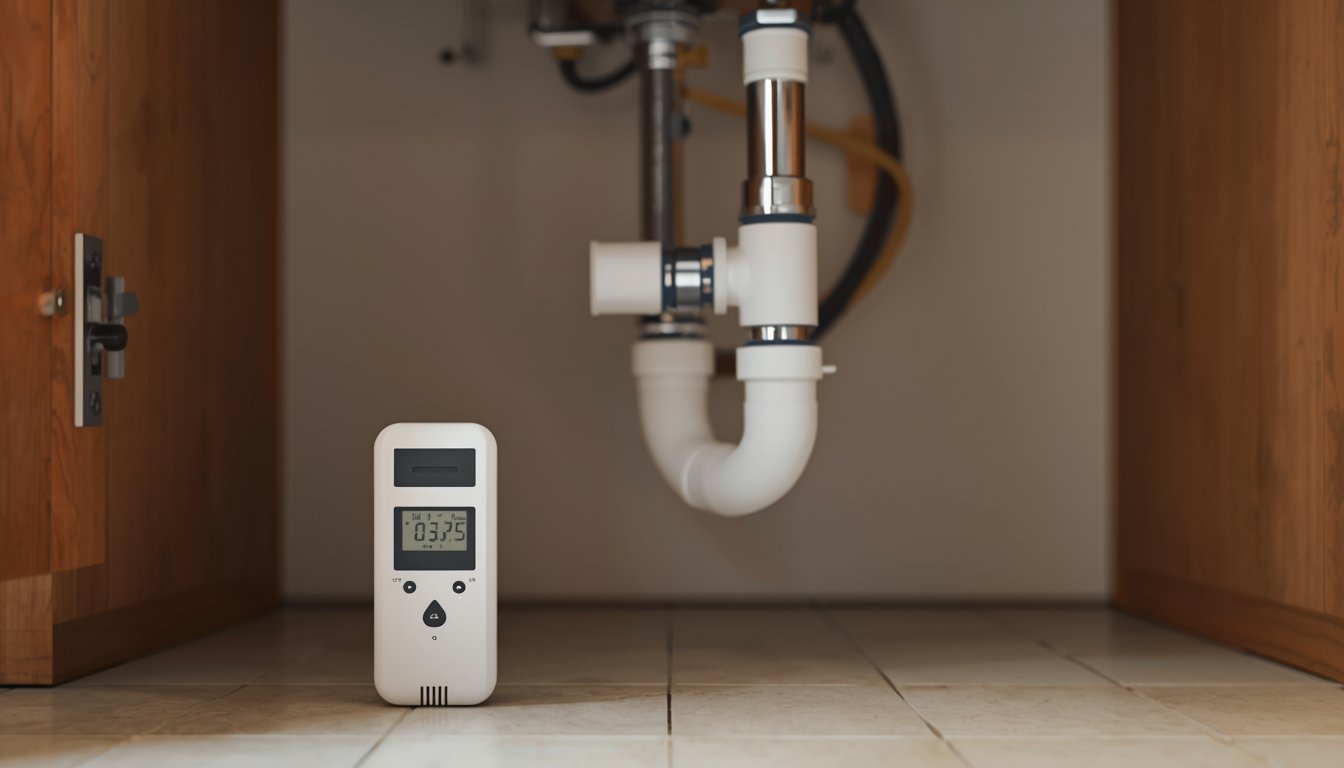
A slab leak occurs when a water pipe beneath your home’s concrete foundation starts leaking, often without visible signs. You can detect it by looking for clues like warm or damp spots on the floor, unexplained increases in water bills, or the sound of running water when no fixtures are in use.
Common Signs That Indicate a Slab Leak
Slab leaks are difficult to detect because they happen below the surface, but they usually produce clear warning signs if you know what to look for.
One of the most noticeable signs is a damp or warm spot on the floor. If a hot water line is leaking, the area may feel warmer than the surrounding floor. In other cases, moisture may rise through flooring materials, causing damp patches or discoloration.
Another key indicator is an unexplained increase in your water bill. Since slab leaks often run continuously, even a small leak can lead to higher water usage over time.
Other signs include:
- The sound of running or dripping water when nothing is turned on
- Cracks forming in flooring or walls
- Mold or mildew appearing without a clear source
- Low or fluctuating water pressure
These signs often appear gradually, which is why slab leaks can go unnoticed until they begin causing more serious damage.
How to Confirm a Slab Leak in Your Home
Once you suspect a slab leak, confirming it involves narrowing down whether the issue is coming from beneath the foundation.
Start by turning off all water fixtures in the home and checking your water meter. If the meter continues to move, it usually indicates that water is flowing somewhere in the system, which may point to a hidden leak.
Next, pay attention to patterns in the damp areas. If the same spot on the floor consistently feels wet or warm, it strengthens the likelihood of a leak below. Flooring materials such as wood or laminate may begin to warp or lift as moisture builds underneath.
You can also listen carefully for faint sounds of water movement. In quiet conditions, slab leaks sometimes produce a subtle hissing or flowing noise beneath the floor.
If the source is still unclear, detection tools can help confirm the presence of moisture below the surface. Reviewing broader signs of a hidden water leak can also help determine whether the issue is isolated or part of a larger problem.
While slab leaks often need professional confirmation, whole-house detection systems can help monitor ongoing issues.
What to Do if You Suspect a Slab Leak
If you believe you have a slab leak, it’s important to act quickly to limit damage to your home’s structure.
Start by reducing water usage and, if necessary, shutting off the main water supply to prevent further leakage. This helps minimise the amount of water entering the foundation area while you investigate.
Avoid ignoring the problem or assuming it will resolve on its own. Slab leaks can weaken foundations, damage flooring, and lead to mold growth if left untreated.
In many cases, locating and repairing a slab leak requires specialised equipment or professional assistance. However, identifying the early signs and confirming the presence of a leak allows you to take action before the damage becomes more severe.
Addressing the issue promptly can significantly reduce repair costs and prevent long-term structural problems.