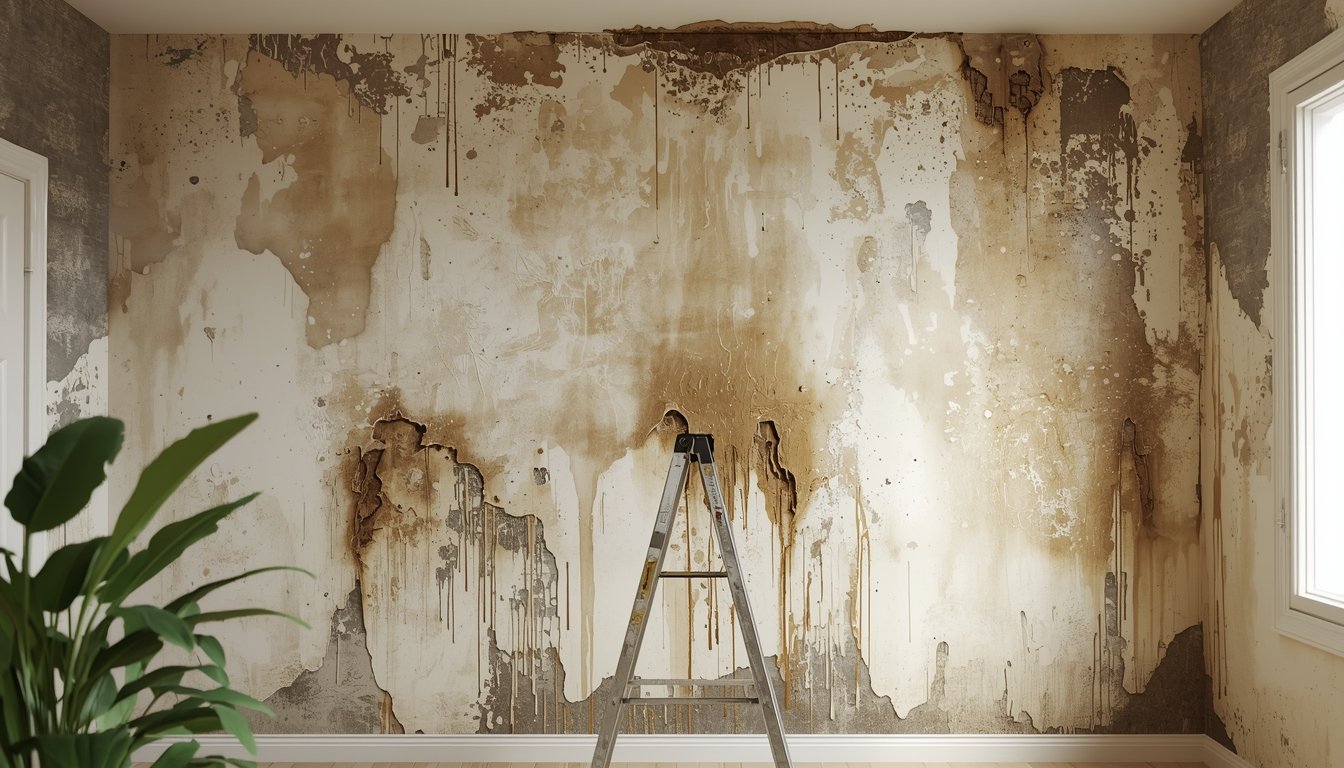
Water leak detectors work by sensing moisture, temperature changes, or sound vibrations to identify water where it shouldn’t be. Depending on the type, they either alert you when water is present or help locate hidden leaks behind walls, under floors, or underground before visible damage occurs.
In a typical home, these devices are used to confirm whether a leak exists and to narrow down its location. As explained in the complete water leak detection guide, they are especially useful when visual inspection alone isn’t enough to identify the problem.
Types of Water Leak Detectors and How They Differ
Water leak detectors come in several forms, each designed for a specific purpose. Some are simple alert devices, while others are diagnostic tools used to locate hidden leaks.
Basic moisture sensors are the most common type. These are placed in areas prone to leaks, such as under sinks or near appliances. When water comes into contact with the sensor, it triggers an alarm or sends a notification.
More advanced detectors include handheld devices that scan surfaces for moisture. These are often used on walls, floors, or ceilings to detect damp areas without opening up structures. They provide readings that help determine whether water is present beneath the surface.
Professional-grade systems use acoustic sensors to detect the sound of water escaping from pipes. These are especially useful for locating leaks in hard-to-reach areas, such as underground or inside walls.
Each type serves a different role, and in many cases, a combination of tools provides the most accurate results.
What Happens When a Leak Detector Detects Moisture
When a leak detector senses moisture, it responds based on its design and purpose. Basic detectors trigger an immediate alert, such as a loud alarm or a mobile notification, allowing you to act quickly.
More advanced devices provide readings that indicate the level of moisture present. These readings help determine whether the detected moisture is minor surface dampness or a more serious issue inside the structure.
In handheld devices, the sensor measures resistance or conductivity in materials. Since water changes how electricity flows through surfaces, the device can identify areas where moisture is present even if it’s not visible.
Some systems also track changes over time. If moisture levels increase in a specific area, it may indicate an active leak rather than residual dampness.
This ability to detect and confirm moisture is what makes these tools valuable. Instead of guessing, you can verify whether water is present and decide on the next steps with confidence.
Key Situations Where Leak Detectors Are Most Useful
- When you suspect a hidden leak but cannot see visible damage
- When monitoring high-risk areas like under sinks or near appliances
- When trying to locate moisture behind walls or under flooring
- When investigating unexplained increases in water usage
- When confirming whether a repair has fully resolved a leak
Leak detectors are most effective in situations where the source of moisture is unclear. For example, if you notice a damp patch on the floor but can’t identify the cause, a detector can confirm whether water is present below the surface.
They are also useful for ongoing monitoring. Placing sensors in high-risk areas allows you to detect leaks early, often before any visible damage occurs.
In more complex situations, such as suspected slab or underground leaks, advanced detection tools can help narrow down the location without the need for extensive digging or removal of materials.
Using a detector in these scenarios reduces guesswork and helps you focus on the exact problem area.
Limitations of Water Leak Detectors
While leak detectors are useful tools, they are not perfect and have certain limitations that should be understood.
They can only detect moisture within a certain range. If a leak is too deep within a structure or located far from the sensor, it may not be detected immediately. This is especially true for basic sensors that rely on direct contact with water.
Environmental factors can also affect readings. High humidity or condensation may sometimes trigger false positives, especially in poorly ventilated areas like bathrooms or basements.
Other limitations include:
- Inability to detect leaks that have not yet produced moisture
- Limited range depending on the device type
- Potential false readings in highly humid environments
- Difficulty distinguishing between old and active moisture
Because of these limitations, leak detectors are best used as part of a broader approach that includes visual inspection and monitoring of symptoms.
How to Use a Leak Detector Effectively
Using a leak detector properly increases its effectiveness and helps you get more accurate results.
Start by placing or using the device in areas where leaks are most likely to occur. This includes under sinks, near toilets, around appliances, and along walls where plumbing lines run. These locations provide the highest chance of detecting early moisture.
When using handheld detectors, move slowly across the surface and pay attention to changes in readings. Sudden increases in moisture levels often indicate the presence of hidden water.
It’s also important to use the device in combination with other observations. If you notice damp spots, unusual smells, or changes in water usage, use the detector to confirm whether moisture is present in those areas.
Regular monitoring can also help. By checking the same areas over time, you can identify patterns and determine whether moisture is increasing, decreasing, or remaining stable.
This approach allows you to detect problems early and take action before significant damage occurs.
If you’re comparing models, see our water leak detector reviews.
Why Leak Detectors Are Important for Preventing Damage
Water leaks can cause serious damage if they are not detected early. Structural materials such as wood, drywall, and flooring can weaken over time when exposed to moisture, leading to costly repairs.
Leak detectors help prevent this by identifying problems before they become severe. Early detection allows you to fix the source of the leak and dry affected areas before damage spreads.
They also reduce uncertainty. Instead of guessing whether a damp area is a problem, you can confirm the presence of moisture and decide on the appropriate action.
In many cases, the cost of a leak detector is small compared to the potential cost of repairing water damage. By providing early warning and accurate detection, these devices play an important role in maintaining the condition of your home.