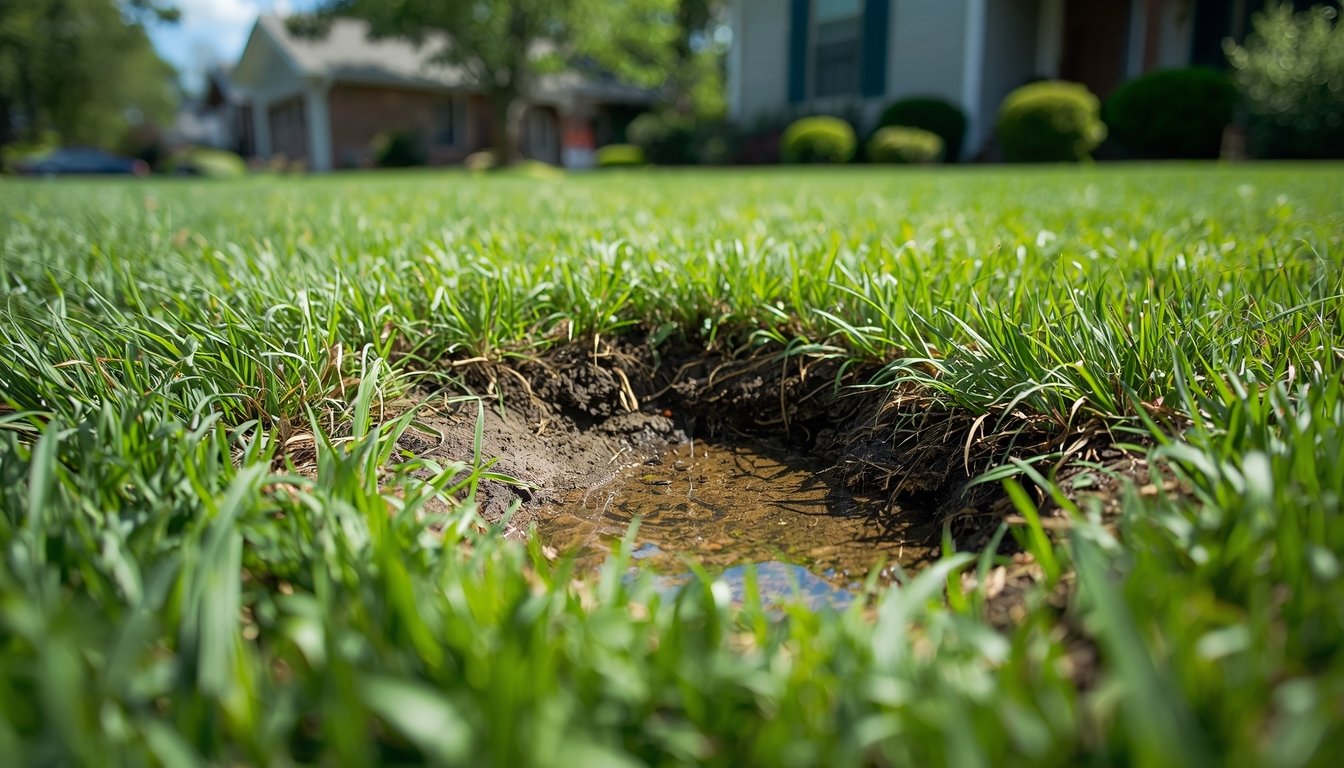
Water leak detectors are effective tools for identifying moisture and early signs of leaks, but they have limitations depending on their type, placement, and the conditions in which they are used. They can detect water presence or moisture changes, but they cannot always locate the exact source of a leak or detect issues before moisture becomes measurable.
Understanding these limitations is essential to using them effectively. As outlined in the complete water leak detection guide, leak detectors work best when combined with inspection and monitoring rather than relied on as a standalone solution.
They Cannot Detect Leaks Without Moisture Presence
One of the most important limitations of water leak detectors is that they rely on measurable moisture. If a leak has not yet produced enough water to reach a sensor or affect surrounding materials, the device will not detect it.
This is particularly relevant for very slow leaks. A pipe may be leaking at a minimal rate, but if the water is being absorbed or dissipated before it reaches the sensor, detection may be delayed.
Similarly, in enclosed spaces, moisture may build up gradually without immediately affecting the surface. In these cases, a detector may only respond once the problem has progressed to a more noticeable stage.
This limitation means that leak detectors are reactive rather than predictive. They confirm the presence of water but do not provide early warning before moisture becomes detectable.
Understanding this helps set realistic expectations and highlights the importance of combining detection with regular inspection.
Limitations Caused by Placement and Coverage
- Detectors only monitor the specific area where they are placed
- Leaks occurring outside the sensor range may go undetected
- Poor placement can delay detection until damage has spread
- Elevated placement may prevent water from reaching the sensor
- Insufficient coverage in larger homes increases risk of missed leaks
Placement is one of the biggest factors affecting how effective a leak detector is. Even a highly accurate device cannot detect a leak if it is not positioned correctly.
Detectors work best when placed at low points where water is likely to collect. If they are placed too far from the leak source or on surfaces where water does not reach, detection may not occur until the problem has worsened.
In larger homes, relying on a single detector is often insufficient. Multiple devices are needed to cover different risk areas, such as kitchens, bathrooms, and utility spaces.
This limitation highlights the importance of strategic placement and adequate coverage. Without it, even the best devices may fail to provide timely alerts.
Difficulty Detecting Deep or Hidden Leaks
Water leak detectors can struggle to detect leaks that are located deep within structures or underground.
Basic detectors are designed for surface detection. They rely on water reaching the sensor, which may not happen if the leak is contained within walls, under floors, or beneath concrete slabs.
Even handheld detectors that measure moisture within materials have limits. If the leak is too deep or shielded by dense materials, the device may not detect it accurately.
Underground leaks present an even greater challenge. Standard detectors cannot directly sense water beneath soil or concrete. Instead, they rely on indirect signs such as surface moisture or changes in surrounding materials.
This limitation is why advanced detection methods, such as acoustic tools, are often required for complex cases. It also reinforces the idea that leak detectors are part of a broader detection process rather than a complete solution.
False Positives and Environmental Interference
- High humidity levels can trigger moisture readings
- Condensation may be mistaken for a leak
- Temperature changes can affect sensor performance
- Residual moisture from previous leaks can produce false readings
- Surface conditions may influence detection accuracy
Environmental factors can sometimes cause leak detectors to produce inaccurate or misleading results.
High humidity is a common issue. In areas such as bathrooms or basements, moisture in the air can affect readings, especially with sensitive devices. This may lead to false positives, where the detector indicates a problem that is not related to an active leak.
Condensation is another factor. Water forming on pipes or surfaces due to temperature differences can be detected as moisture, even though it is not caused by a leak.
Residual moisture from past issues can also affect readings. A detector may indicate dampness even if the leak has already been repaired.
Understanding these factors helps prevent misinterpretation and ensures that results are evaluated in the correct context.
Inability to Pinpoint the Exact Source
While leak detectors are effective at identifying moisture, they often cannot pinpoint the exact source of a leak on their own.
A detector may indicate that a wall or floor is damp, but it cannot always determine where the water is entering. This is especially true when moisture has spread from the original source.
For example, water leaking from a pipe may travel along surfaces before becoming visible. The detector may identify where the moisture has accumulated rather than where it originated.
This limitation means that additional investigation is often required. Visual inspection, testing, and sometimes professional tools are needed to locate the exact source of the problem.
By understanding this, you can use leak detectors more effectively as a diagnostic tool rather than expecting them to provide a complete solution.
Why Leak Detectors Still Work When Used Correctly
Despite their limitations, water leak detectors remain valuable tools when used properly and as part of a broader approach.
Their strength lies in early detection. Even if they cannot detect every type of leak immediately, they can alert you to problems before they become severe.
By combining detectors with visual inspection, monitoring, and other detection methods, you can overcome many of their limitations. This layered approach provides a more accurate and reliable understanding of potential issues.
The key is to use them with realistic expectations. They are designed to assist in detection, not replace all other methods.
When used correctly, they provide important information that helps you identify and address leaks early, reducing the risk of damage and costly repairs.
You can compare strengths and weaknesses in these product reviews.