Water leak detectors can help identify underground leaks, but most basic devices cannot detect them directly. Instead, they confirm signs of water loss or surface moisture, while more advanced detection tools can help locate underground leaks by identifying sound vibrations or moisture patterns below the surface.
In practice, detecting underground leaks usually involves combining different methods. As explained in the complete water leak detection guide, standard detectors help confirm that a leak exists, while specialised tools or techniques are used to narrow down the exact location.
What Standard Leak Detectors Can and Cannot Do Underground
Most household leak detectors are designed to detect water at the surface or within accessible materials. They work by sensing moisture when it comes into contact with a sensor or by scanning surfaces for dampness.
Because underground leaks occur below soil, concrete, or other materials, standard detectors cannot directly sense the leak at its source. The water may be too deep or too dispersed to trigger the device.
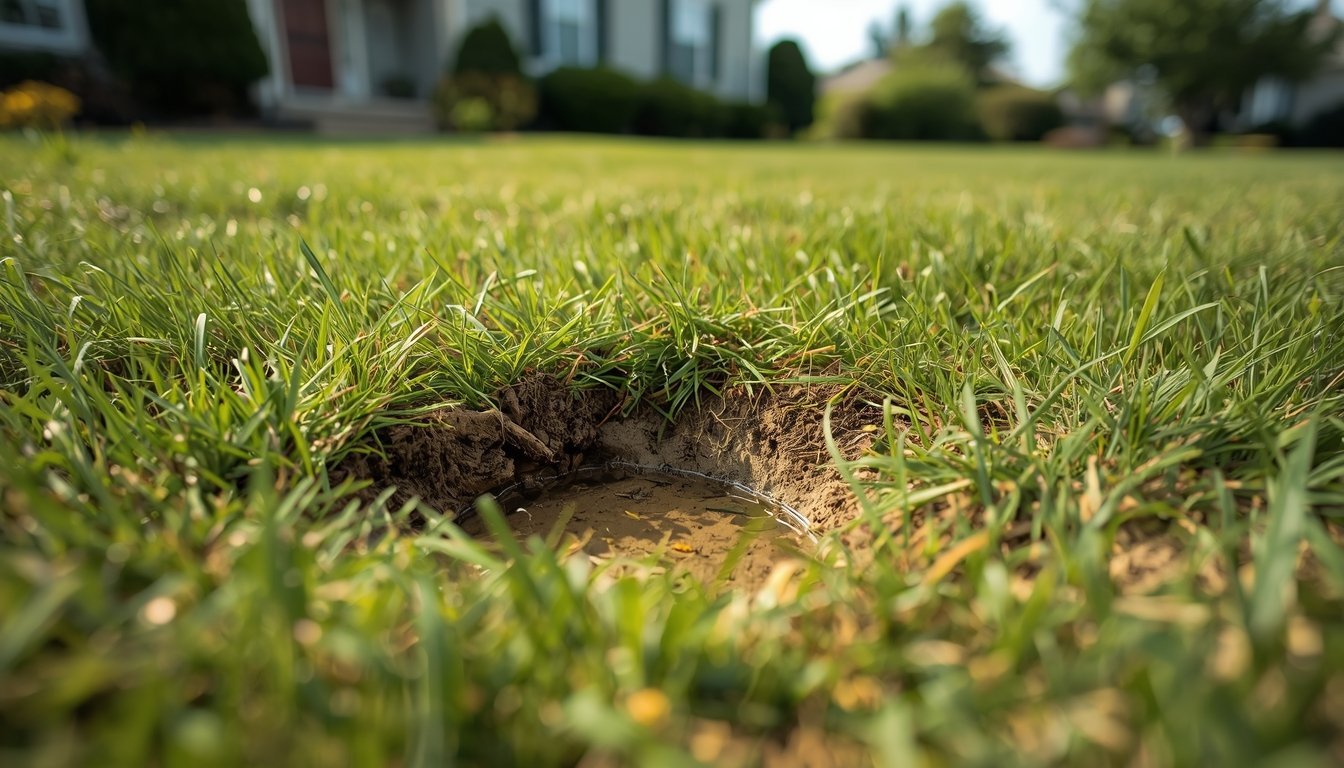
However, these detectors can still play an important role. If an underground leak causes water to rise toward the surface, creating damp patches in the yard or near the foundation, a detector can confirm that moisture is present in those areas.
They can also help identify indirect effects of underground leaks, such as moisture inside floors or walls that are connected to the affected pipe.
Understanding these limitations is important. Standard detectors are not designed to locate underground leaks on their own, but they can provide useful clues when used as part of a broader approach.
How Advanced Detection Methods Locate Underground Leaks
- Acoustic detection that identifies the sound of water escaping from pipes
- Thermal detection that identifies temperature differences in affected areas
- Pressure testing that confirms whether water is being lost in the system
- Moisture mapping to identify patterns of dampness in surrounding materials
- Ground surface inspection to detect changes caused by water accumulation
Advanced leak detection methods are designed specifically to locate leaks in hard-to-reach areas, including underground pipes.
Acoustic detection is one of the most effective techniques. When water escapes from a pipe, it creates vibrations that travel through the surrounding material. Specialised equipment can pick up these sounds and help pinpoint the leak location.
Thermal detection can also be used in some cases. Differences in temperature caused by water movement can reveal areas where a leak may be present, particularly with hot water lines.
These methods are often used together to increase accuracy. By combining sound detection, pressure testing, and visual inspection, it becomes possible to locate underground leaks without extensive digging.
Signs That Suggest an Underground Leak Is Present
Even without specialised equipment, there are clear signs that may indicate an underground leak.
One of the most noticeable is a persistently wet or unusually green patch in your yard. If a specific area remains damp despite dry weather, it may be receiving water from a leaking pipe below.
An unexplained increase in your water bill is another strong indicator. Since underground leaks often run continuously, they can waste a significant amount of water over time.
You may also notice changes in your home’s water pressure. A drop in pressure can occur when water is escaping from the system before reaching your fixtures.
Other signs include cracks in driveways or foundations, caused by shifting soil, and the sound of running water when no fixtures are in use.
These signs help confirm that a leak may exist, even if the exact location is not immediately clear.
How to Use Leak Detectors Alongside Other Methods
- Use a water meter test to confirm whether water is being lost
- Check surface areas for moisture using handheld detectors
- Monitor changes in damp areas over time
- Combine detection results with visible signs and patterns
- Narrow down the location before taking further action
While standard leak detectors cannot directly locate underground leaks, they are still useful when combined with other methods.
Start by confirming whether a leak exists using a water meter test. If the meter shows continuous water flow, it indicates that water is escaping somewhere in the system.
Next, use a detector to check surface areas where moisture may appear. This helps confirm whether water is rising from below and provides clues about the general location of the leak.
Monitoring changes over time can also help. If a damp area grows or persists, it strengthens the likelihood of an underground leak.
By combining these methods, you can narrow down the search area and make more informed decisions about how to proceed.
When Professional Detection Becomes Necessary
In many cases, locating an underground leak precisely requires professional equipment and expertise.
While basic detection methods can confirm the presence of a leak and provide a general idea of its location, they often cannot pinpoint the exact source. This is especially true when the leak is deep underground or spread across a wide area.
Professional detection services use specialised tools to locate leaks with greater accuracy. This reduces the need for unnecessary digging and helps focus repairs on the exact problem area.
It’s usually worth considering professional assistance when the leak cannot be located using basic methods or when the potential damage is significant.
Taking this step early can save time and prevent further damage, especially in cases where the leak is affecting the foundation or surrounding structures.
For broader monitoring, consider whole-house systems.
Why Understanding Detection Limits Prevents Costly Mistakes
Knowing what leak detectors can and cannot do helps you avoid unnecessary work and incorrect assumptions.
If you expect a basic detector to locate an underground leak directly, you may spend time searching in the wrong areas. Understanding its limitations allows you to use it effectively as part of a larger process.
This approach helps you move from confirming that a leak exists to narrowing down its location and then taking appropriate action.
By using the right tools for each stage of detection, you reduce the risk of unnecessary repairs and ensure that the problem is addressed accurately.
This not only saves time and effort but also helps protect your home from further damage.